Croatia — Islands, Stone Walls, and After-Dark Romance
Croatia, in Stone and Sea
Croatia is not immediate.
It reveals itself gradually — stone by stone, harbor by harbor — along the Adriatic.
From Split to Hvar to Dubrovnik, the Dalmatian coast unfolds in a sequence of walled cities, crystalline water, and islands that feel suspended in time. The romance here is not theatrical. It is textural — cobblestone underfoot, salt on skin, fortress walls glowing at sunset.
For couples traveling together — even with children woven into the rhythm of ferry crossings and sunlit afternoons — Croatia offers a balance of energy and retreat.
Split: A Beginning in Stone
Split is anchored by history.
At its center stands Diocletian’s Palace — not a preserved monument, but a living city built directly into ancient Roman walls. Cafés spill into courtyards where emperors once walked. Boutiques occupy former stone chambers.
The beauty of Split is its density. You can wander for hours without leaving the old city, losing yourself in narrow passages that open unexpectedly onto sea views.
It is an ideal entry point — vibrant but compact.
Hvar: Lavender and Light
From Split, the coast gives way to island rhythm.
Hvar is all lavender air and white stone, with boats clustered in the harbor and water so clear it feels unreal. The town hums with energy at night, but by day it is relaxed, sunlit, almost languid.
At the waterfront Adriana Hotel, terraces overlook the harbor, and the rooftop pool provides a quieter perch above the movement below. Suites open toward the sea, offering enough privacy to retreat from the island’s social pulse when needed.
The real romance of Hvar is found not in its nightlife but in its scale. The island is small enough to feel intimate — a short walk from one end of the harbor to the other, a swim just steps from your room.
Days are built around water. Evenings drift between seafood restaurants and slow walks along the port.
Dubrovnik: Fortress and Horizon
If Hvar is light, Dubrovnik is drama.
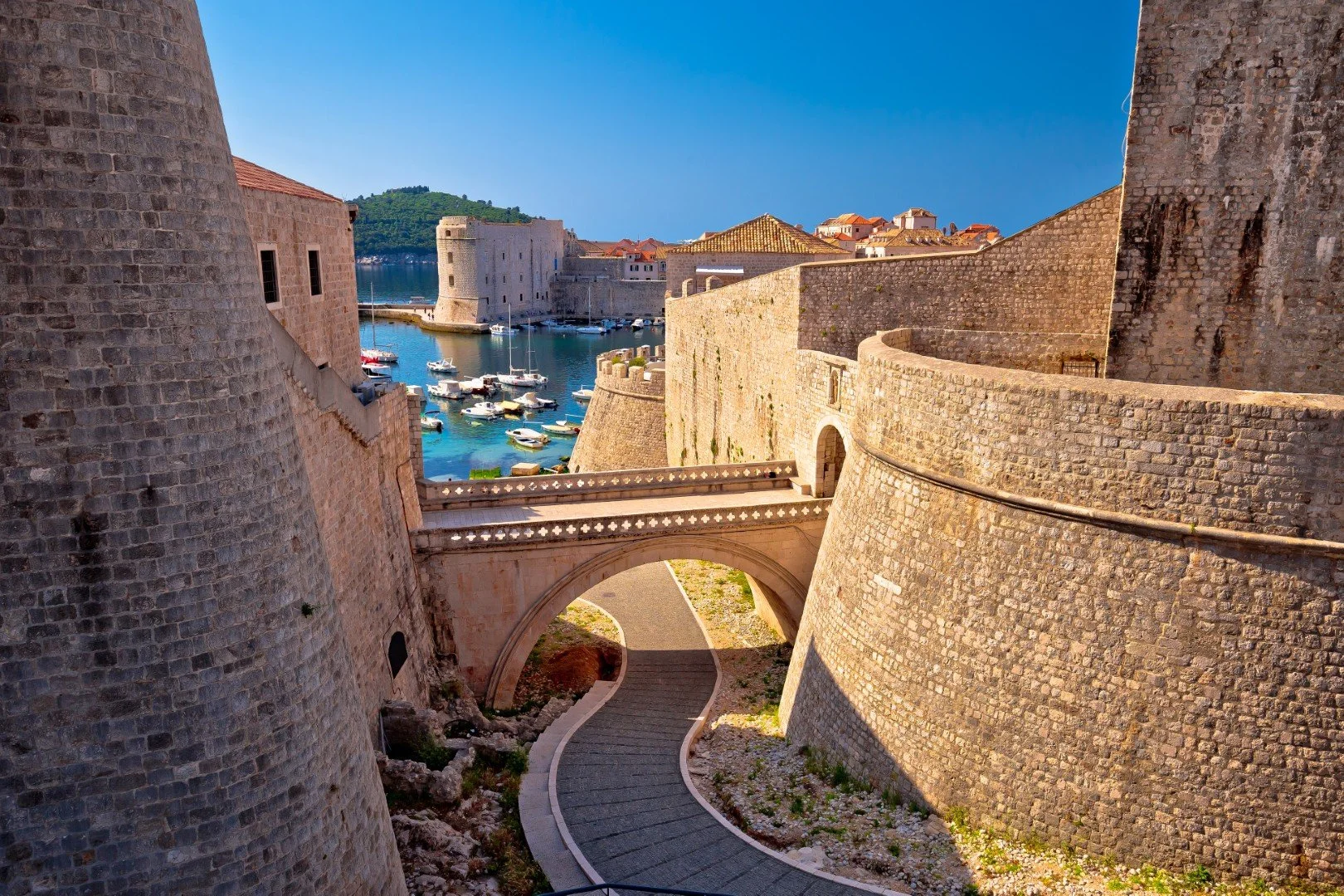
Encased within massive stone walls, the city feels almost mythic. The Adriatic presses against its edges; rooftops glow terracotta against deep blue sea.
Staying just beyond the old city walls offers perspective. At Rixos Premium Dubrovnik, perched on a cliff above the water, modern interiors contrast with the medieval city below. Balconies frame uninterrupted sea views; the spa leans into Turkish ritual and steam.
Walking the ancient city walls at dusk reveals the full scale of Dubrovnik’s beauty — stone meeting sea, history meeting horizon.
A short boat ride to Lokrum Island shifts the mood entirely. Pine forests, roaming peacocks, rocky swimming spots carved into the coastline. The Adriatic is clearest here, impossibly turquoise against dark stone.
The Adriatic Effect
What lingers about Croatia is its balance.
Energy and quiet. Stone and sea. History and sunlight.
Children race along fortress paths; parents pause to take in the view. Ferry crossings become part of the narrative rather than mere transport. The coastline stretches endlessly, but each town feels contained.
Croatia does not overwhelm with spectacle.
It invites immersion.
And somewhere between Split’s palace walls and Dubrovnik’s ramparts, romance settles naturally into place.